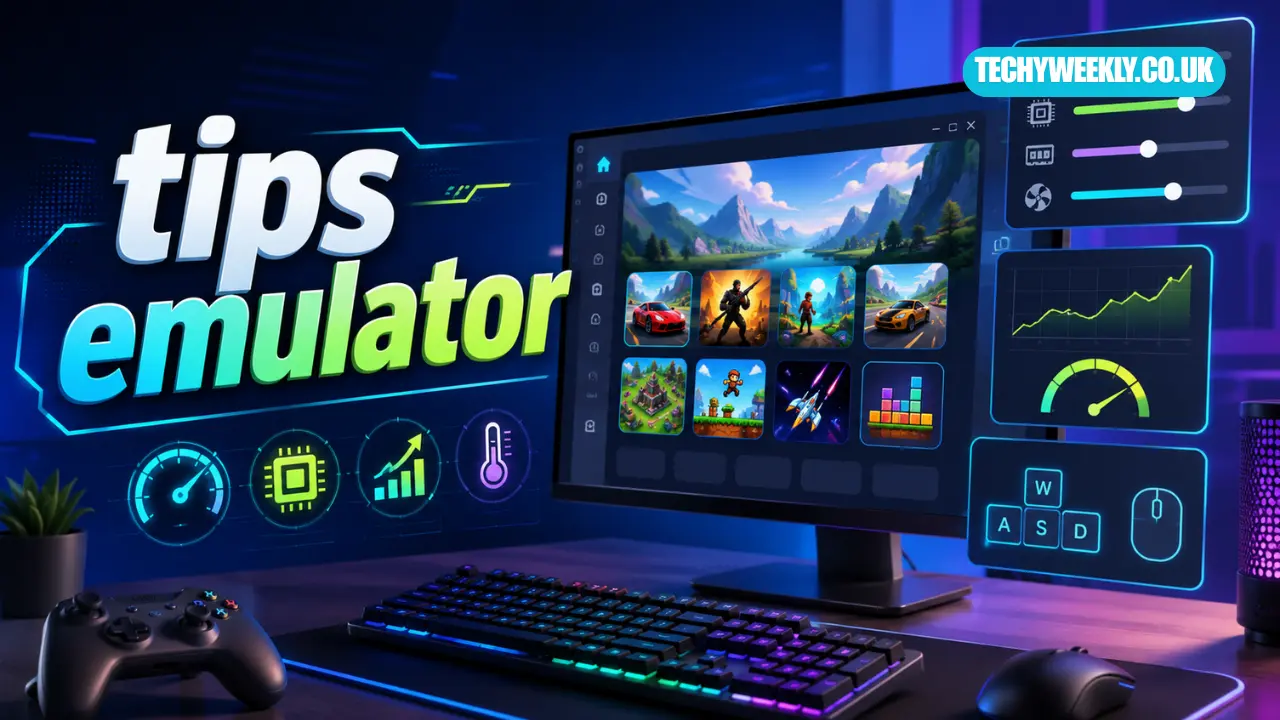
Emulators have become useful tools for people who want to run mobile apps, Android games, retro games, and test software on a computer. Whether someone is playing a favorite mobile game on a larger screen or testing an app before release, an emulator makes the process easier. However, many users face common problems such as lag, slow loading, crashes, keyboard mapping issues, poor graphics, and high system usage. That is why a proper tips emulator guide can help beginners and regular users enjoy a smoother experience.
A good emulator setup is not only about installing software and opening a game. It depends on your PC performance, emulator settings, graphics configuration, storage space, RAM usage, and internet stability. With the right steps, even a normal laptop or low-end PC can run many apps and games better than before.
What Is an Emulator?
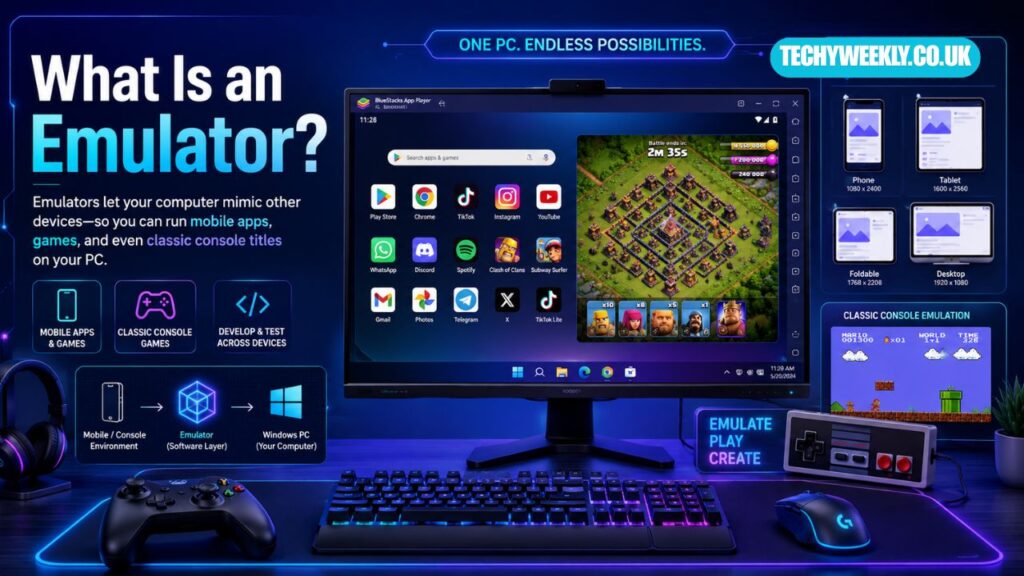
An emulator is a program that allows one device or system to behave like another device. For example, an Android emulator lets a Windows computer run Android apps and games. A console emulator can help users run older console games on modern devices. Developers also use emulators to test mobile apps on different screen sizes and Android versions.
The main benefit of an emulator is convenience. Users do not always need a physical phone, tablet, or gaming console to access certain apps or games. With a good setup, they can use a keyboard, mouse, controller, large monitor, and better storage. This is one reason why tips emulator content is useful for gamers, students, developers, and casual users.
Why Emulator Performance Matters
Performance is one of the biggest concerns for emulator users. If the emulator is slow, the whole experience becomes frustrating. Games may freeze during important moments, apps may take too long to open, and controls may respond late. These problems usually happen because of weak hardware, incorrect emulator settings, outdated drivers, or too many background programs.
A smooth emulator experience depends on balance. Setting graphics too high can cause lag, while setting them too low may reduce visual quality. Giving too much RAM to the emulator can slow the computer, while giving too little RAM can make the emulator unstable. A practical tips emulator approach focuses on finding settings that match your device instead of copying settings from a high-end PC.
Best Emulator Settings for Better Speed
| Setting Area | Recommended Choice | Why It Matters |
|---|---|---|
| CPU Cores | Use 2 to 4 cores for most users | It helps the emulator run smoothly without putting too much pressure on the computer processor. |
| RAM Allocation | 8GB PC: give moderate RAM; 16GB PC: give more but not maximum | The emulator needs memory, but Windows and background apps also need enough RAM to keep the system stable. |
| Resolution | Start with 720p, then increase if performance is smooth | Lower resolution reduces lag and improves speed, especially on low-end PCs. |
| Graphics Mode | Use the mode that works best with your device, such as performance or compatibility mode | The right graphics mode can fix black screen issues, improve FPS, and make games more stable. |
| FPS Setting | Keep FPS balanced instead of setting it too high | Very high FPS can increase system load and cause heating or lag on weaker computers. |
| Device Model | Choose a stable and compatible device profile | Some apps and games work better with specific virtual device models. |
| Background Apps | Close browsers, editors, and unused software before using the emulator | This frees up RAM and CPU power for better emulator performance. |
| Storage Space | Keep enough free space on your system drive | Low storage can slow down Windows and make the emulator load apps slowly. |
The first step is to check your emulator settings. Most Android emulators allow users to adjust CPU cores, RAM allocation, resolution, graphics mode, FPS, and device model. For better speed, choose settings that your computer can handle comfortably.
If your PC has 8GB RAM, avoid giving all memory to the emulator. Keep enough RAM free for Windows and other background tasks. If your PC has 16GB RAM, you can usually give more memory to the emulator, but still avoid pushing everything to the maximum. For CPU settings, 2 to 4 cores are enough for many users, depending on the processor.
Resolution also affects performance. A lower resolution can improve speed, especially on low-end PCs. If you are playing games, try 720p first. If the game runs smoothly, then move to a higher resolution. This simple tips emulator method can reduce lag without making the game look too poor.
Enable Virtualization for Faster Emulation
Virtualization is one of the most important features for emulator speed. It allows your computer processor to run virtual systems more efficiently. Many emulators perform much better when virtualization is enabled from BIOS or UEFI settings.
If virtualization is disabled, the emulator may run slowly, show warning messages, or fail to start properly. Users can usually check virtualization status from Task Manager on Windows. If it is disabled, it needs to be enabled from the system BIOS. The exact steps depend on the laptop or motherboard brand.
For anyone looking for a serious tips emulator improvement, virtualization should be checked first. It often makes a noticeable difference in loading speed, frame rate, and overall stability.
Fix Emulator Lag and Freezing Problems
Lag can happen for many reasons, but the most common causes are high graphics settings, low storage space, background apps, outdated drivers, and weak internet connection. Before changing advanced settings, close unnecessary browser tabs, video editors, screen recorders, and heavy apps running in the background.
Storage space also matters. If your system drive is almost full, Windows and the emulator may slow down. Keep free space available so temporary files and app data can work properly. Also, update your graphics driver because old drivers may cause black screens, crashes, and poor performance.
A helpful tips emulator habit is restarting the computer before long gaming or testing sessions. This clears temporary system load and gives the emulator a fresh start.
Emulator Tips for Low-End PC Users
Low-end PC users should focus on lightweight settings. Avoid high FPS, high resolution, heavy graphics modes, and unnecessary emulator features. Use 720p resolution, medium or low graphics, and limit background apps. Also, avoid running multiple emulator windows at the same time.
Some users install many apps inside one emulator, which can slow it down over time. Keep only the apps you actually use. Clear cache when needed and uninstall apps that are no longer useful. If your emulator has a disk cleanup option, use it occasionally.
For low-end systems, the best tips emulator advice is simple: choose stability over appearance. Smooth gameplay at medium graphics is better than beautiful graphics with constant lag.
Gaming Emulator Setup for Better Control
Gamers use emulators because keyboard and mouse controls can feel easier than touchscreen controls. However, poor keymapping can ruin the experience. Open the emulator’s control settings and set keys according to your comfort. For shooting games, racing games, and action games, test controls before playing seriously.
Mouse sensitivity is also important. Very high sensitivity can make aiming difficult, while very low sensitivity can feel slow. Adjust it gradually until movement feels natural. If you use a controller, check whether the emulator supports it properly and map buttons clearly.
A smart tips emulator setup for gaming should include smooth controls, stable FPS, clear sound, and comfortable screen size. These small details make gameplay more enjoyable.
Safe Emulator Download and Installation
Safety should never be ignored. Download emulators only from official websites or trusted sources. Fake installers can include unwanted programs, malware, or harmful files. Avoid cracked emulator versions because they may damage your system or steal personal information.
During installation, read each step carefully. Some installers may offer extra software that you do not need. After installation, keep the emulator updated because updates can fix bugs, improve compatibility, and enhance security.
This part of tips emulator use is especially important for beginners. A safe installation protects both the device and personal data.
Android Emulator Uses Beyond Gaming
Although many people use emulators for games, they are also useful for app testing, learning, social apps, productivity tools, and education. Developers can test apps on different Android versions without buying many phones. Students can use Android apps on a larger screen. Content creators can record app tutorials more easily from a PC.
An Android emulator also helps users manage apps with better typing speed, larger display, and easier multitasking. For example, someone working with mobile apps can use keyboard shortcuts, file sharing, and screenshots more comfortably than on a small phone screen.
Common Emulator Problems and Simple Solutions
Some emulator problems are easy to fix. If the emulator shows a black screen, try changing the graphics mode. If the app keeps crashing, clear the app cache or reinstall it. If the keyboard does not work, reset the keymapping settings. If the emulator is stuck on loading, restart the computer and check whether virtualization is enabled.
If sound is not working, check both Windows sound settings and emulator sound settings. If internet is slow inside the emulator, restart the router, disable VPN if not needed, or switch to a stable network. These simple solutions can fix many daily issues.
The best tips emulator routine is to make small changes one by one. Changing too many settings at once can make it harder to know what fixed or caused the problem.
Final Thoughts Before Using an Emulator
An emulator can be a powerful tool when it is set up correctly. The right settings can improve speed, reduce lag, protect your device, and make apps or games easier to use. Instead of depending only on default settings, users should adjust performance based on their own computer.
The goal is not always maximum graphics or maximum FPS. The goal is stable, smooth, and comfortable usage. With careful setup, regular cleaning, safe downloads, and smart configuration, a tips emulator guide can help users get better results from almost any emulator.
Conclusion
Emulators are useful for gaming, app testing, learning, and running mobile apps on a computer. However, the experience depends heavily on settings, system performance, and safe usage habits. By enabling virtualization, adjusting RAM and CPU properly, lowering resolution when needed, updating drivers, and using trusted downloads, users can enjoy smoother performance.
A good tips emulator setup saves time, reduces frustration, and helps both beginners and regular users get better results. Whether you have a powerful PC or a low-end laptop, the right settings can make a clear difference.
FAQs
What is the main use of an emulator?
An emulator allows one device or system to run apps, games, or software made for another system. Many users use it for Android apps, gaming, and app testing.
Why is my emulator running slowly?
Your emulator may be slow because of low RAM, disabled virtualization, high graphics settings, old drivers, or too many background apps running at once.
How can I make an emulator faster?
Enable virtualization, lower the resolution, close background apps, update graphics drivers, and choose CPU and RAM settings that match your PC.
Is an emulator safe to use?
An emulator is usually safe when downloaded from an official or trusted source. Avoid fake installers, cracked versions, and unknown download websites.
Which settings are best for a low-end PC?
For a low-end PC, use 720p resolution, low or medium graphics, limited FPS, fewer background apps, and avoid running multiple emulator windows.