The gaming industry has changed rapidly over the last decade, and technology has become the driving force behind this transformation. From professional esports tournaments to advanced gaming hardware, modern players now expect speed, precision, and immersive experiences. This is where tech etruesports has started gaining attention among gamers, streamers, and esports enthusiasts who want to understand how technology is shaping competitive gaming.
Today, esports is more than entertainment. It has become a global industry supported by advanced software, cloud systems, artificial intelligence, and high-performance devices. The rise of tech etruesports highlights how gaming technology continues to improve player performance, viewer engagement, and online competition across the world.
What Is Tech eTrueSports?
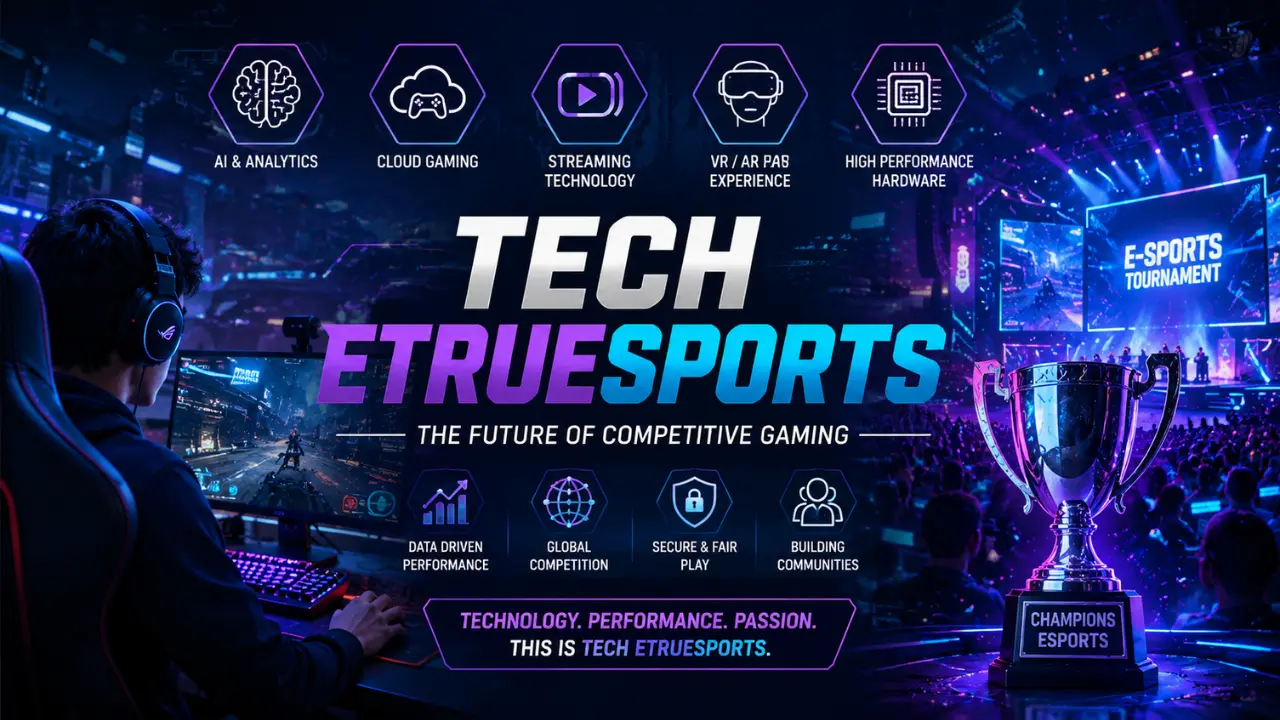
Tech etruesports refers to the growing connection between esports and modern gaming technology. It focuses on the systems, tools, and innovations that improve competitive gaming experiences. This includes gaming hardware, streaming platforms, analytics tools, virtual reality systems, and cloud gaming services.
As esports tournaments continue to attract millions of viewers, the demand for reliable and advanced gaming technology is increasing. Professional gamers rely on responsive equipment, low-latency internet connections, and real-time analytics to compete at the highest level. At the same time, fans expect smooth live streams, instant updates, and interactive viewing experiences.
The popularity of tech etruesports reflects how deeply technology is connected to modern esports culture. It is no longer just about playing games; it is about creating a complete digital ecosystem for players and audiences.
The Role of Technology in Esports Growth
Technology has completely transformed how esports events are organized and experienced. Competitive gaming once depended on local multiplayer setups, but modern tournaments now use global online infrastructures capable of supporting millions of users simultaneously.
Cloud servers allow players from different countries to compete in real time with minimal delays. Advanced broadcasting software gives tournament organizers the ability to stream events in high definition while providing live statistics and instant replays. These developments have made esports more professional and accessible than ever before.
Tech etruesports also highlights the importance of communication systems in gaming. Professional teams use voice chat software, strategy analysis tools, and AI-powered performance trackers to improve coordination and gameplay decisions. These innovations help players identify weaknesses and refine their strategies before major competitions.
Artificial Intelligence in Competitive Gaming
Artificial intelligence is becoming one of the most important parts of the esports industry. AI systems can analyze player behavior, reaction speed, movement patterns, and tactical decisions in real time. This information allows players and coaches to improve performance through detailed insights.
Many gaming platforms now use machine learning algorithms to create balanced matchmaking systems. These systems help players compete against opponents with similar skill levels, improving fairness and overall gaming experiences.
Tech etruesports often focuses on how AI is changing the future of esports training. Professional teams are beginning to use predictive analytics to study opponents and develop stronger game plans. AI also helps detect cheating, suspicious gameplay activity, and unfair advantages during tournaments, which protects the integrity of esports competitions.
As technology continues to evolve, AI will likely become an even bigger part of gaming performance analysis and tournament management.
Cloud Gaming and Online Accessibility
Cloud gaming has introduced a new era for esports and online gaming communities. Instead of relying entirely on expensive hardware, players can now stream games directly from powerful remote servers. This allows gamers with lower-end devices to enjoy competitive gaming without needing high-performance PCs.
The growth of cloud gaming is one of the key discussions surrounding tech etruesports because it improves accessibility for players around the world. Faster internet connections and 5G networks have made cloud-based gaming smoother and more responsive than before.
This technology also benefits esports organizations by reducing hardware limitations and allowing tournaments to reach larger audiences. Gamers can participate in competitions from different regions without requiring physical event locations. As internet infrastructure improves globally, cloud gaming is expected to become a major part of future esports development.
Gaming Hardware and Performance
Professional esports players understand the importance of high-quality gaming hardware. Fast monitors, mechanical keyboards, responsive gaming mice, and powerful graphics cards can directly affect performance during competitive matches.
One reason tech etruesports continues to attract attention is its focus on gaming optimization. Competitive players need devices with low input lag, stable frame rates, and high refresh rates to maintain accurate gameplay during intense moments.
Gaming companies are constantly developing new technologies to meet esports demands. Modern monitors now support refresh rates of 240Hz and beyond, while advanced cooling systems help gaming PCs maintain stable performance during long tournaments. Wireless gaming peripherals have also improved significantly, giving players more flexibility without sacrificing speed or responsiveness.
These hardware improvements continue to shape the future of professional gaming and esports competitions worldwide.
Streaming and Viewer Experience
Streaming platforms have become a major part of esports culture. Millions of fans now watch professional gaming tournaments online, creating a global audience for competitive gaming events.
Tech etruesports emphasizes the importance of streaming technology because modern viewers expect high-quality broadcasts with interactive features. Tournament organizers now use multiple camera angles, live commentary systems, real-time statistics, and instant replay tools to improve audience engagement.
The rise of content creators and gaming influencers has also contributed to esports popularity. Streamers can build communities around their gameplay while introducing new audiences to competitive gaming. This combination of entertainment and technology has helped esports become one of the fastest-growing digital industries.
As streaming platforms continue to evolve, viewers can expect more immersive experiences through virtual reality broadcasts, augmented reality overlays, and personalized content recommendations.
The Future of Virtual Reality in Esports
Virtual reality is slowly becoming a major topic in esports discussions. VR technology creates immersive gaming environments that allow players to interact with digital worlds in entirely new ways.
Although VR esports is still developing, many experts believe it could become a significant part of the gaming industry in the future. Players can physically move within virtual environments, creating more realistic and engaging competitive experiences.
Tech etruesports often explores how VR and augmented reality could reshape competitive gaming. Future tournaments may include interactive arenas, motion-based gameplay, and immersive spectator experiences that bring audiences closer to the action.
As VR hardware becomes more affordable and accessible, esports organizations may continue experimenting with new competitive formats designed specifically for virtual reality gaming.
Conclusion
The esports industry continues to evolve alongside modern technology, creating new opportunities for players, teams, and gaming communities worldwide. From AI-powered analytics to cloud gaming and advanced streaming systems, technology has become the foundation of competitive gaming growth.
Tech etruesports represents this ongoing transformation by highlighting the innovations that are shaping the future of esports. As gaming technology improves, players can expect faster performance, smarter training tools, and more immersive experiences than ever before.
With esports continuing to expand globally, the connection between technology and competitive gaming will only become stronger in the years ahead.
FAQs
What is tech etruesports?
Tech etruesports refers to the connection between esports and modern gaming technology, including AI, cloud gaming, streaming systems, and gaming hardware.
Why is technology important in esports?
Technology improves gaming performance, tournament organization, live streaming quality, and player communication during competitive matches.
How does AI help esports players?
AI analyzes gameplay data, tracks player performance, improves matchmaking systems, and helps teams create better strategies.
What role does cloud gaming play in esports?
Cloud gaming allows players to access competitive games through remote servers without needing expensive gaming hardware.
Can virtual reality become part of esports?
Yes, virtual reality has the potential to create immersive esports experiences with interactive gameplay and advanced spectator environments.
Also Read:Geekzilla Tio Geek: A Complete Guide to the Digital Geek Culture Hub