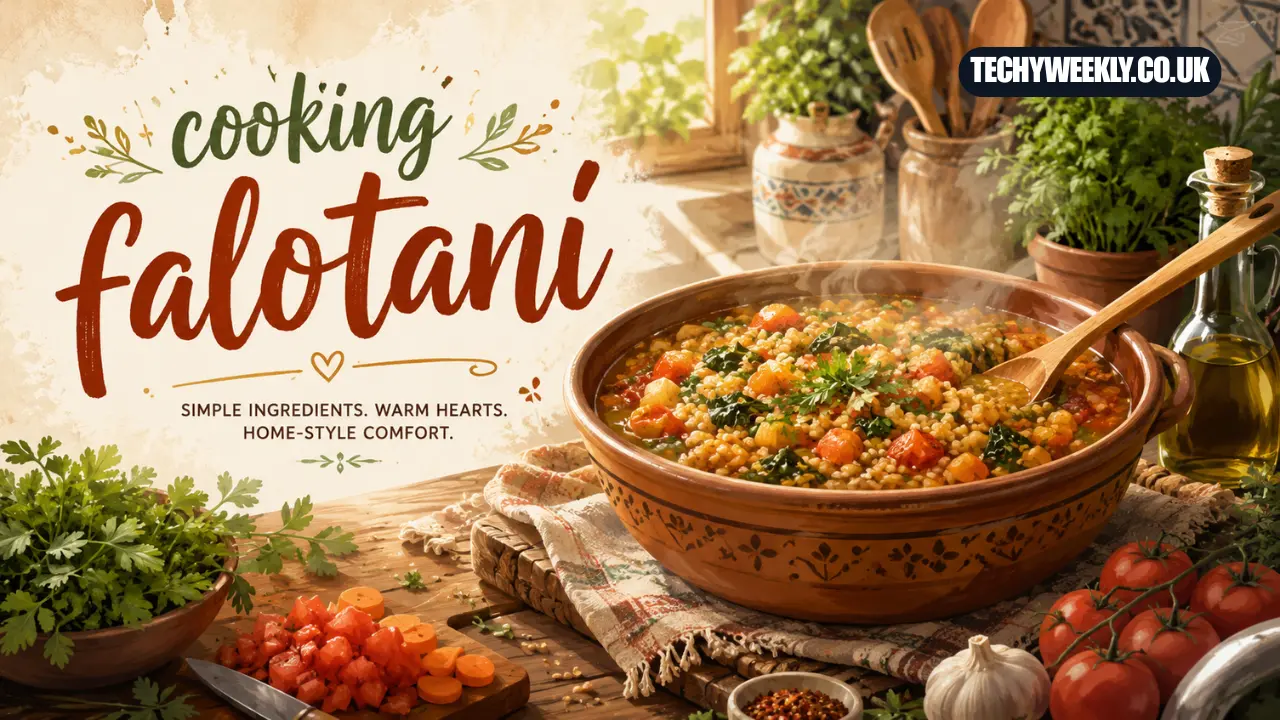
Food becomes memorable when it feels warm, practical, and easy to enjoy at home. Cooking falotani is one of those ideas that can be presented as a comforting home-style dish built around simple ingredients, slow cooking, balanced seasoning, and a soft, satisfying texture. It is not about complicated kitchen rules or expensive items. It is about bringing basic ingredients together in a way that feels rich, filling, and pleasant for everyday meals.
Many people look for dishes that are easy to prepare but still feel special on the table. Cooking falotani fits well into that kind of food style because it can be adapted with vegetables, grains, herbs, spices, and protein according to taste. Whether someone wants a light vegetarian version or a deeper, richer family meal, the idea can be shaped around the ingredients already available in the kitchen.
What Is Cooking Falotani?
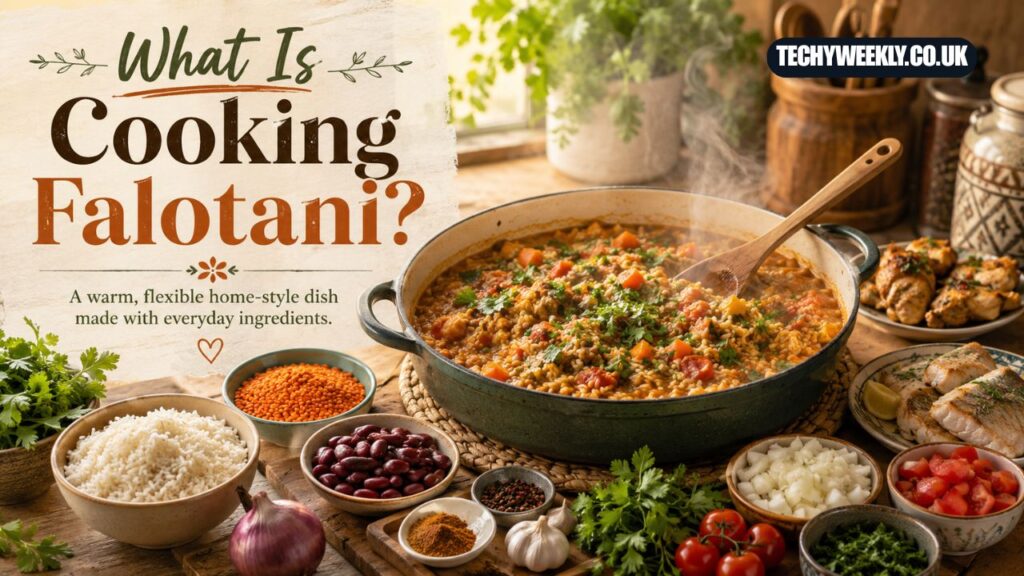
Cooking falotani can be understood as a simple and flexible way of preparing a warm, home-style dish using everyday ingredients. The dish can be made with vegetables, spices, herbs, and a chosen base such as rice, lentils, beans, or soft-cooked grains. The focus is usually on gentle cooking, balanced flavor, and a texture that feels comforting rather than dry or heavy.
One of the best things about this dish is its flexibility. It does not need to follow one strict formula. Some people may prepare it with more vegetables, while others may add chicken, fish, legumes, or a thick sauce. The result depends on how the ingredients are layered, how slowly the dish is cooked, and how carefully the flavors are balanced.
Why Cooking Falotani Feels Like Comfort Food
Comfort food is not always about richness. Sometimes it is about smell, warmth, and the feeling of a meal that has been cooked with care. Cooking falotani gives that kind of experience because the ingredients are usually cooked slowly until they blend into one smooth and flavorful dish. Onions, garlic, tomatoes, herbs, and spices can create a deep base that makes the whole meal feel complete.
This type of dish is also useful for busy homes because it can be made in one pot and adjusted easily. A family can make it mild for children, spicy for adults, thicker for dinner, or lighter for lunch. The same cooking idea can be changed according to season, budget, and taste, which makes it practical for regular use.
Main Ingredients Used in Falotani
The ingredients for cooking falotani are usually simple. A good starting base includes onion, garlic, tomatoes, cooking oil, salt, black pepper, and warm spices. These items help create the first layer of flavor. When onions are cooked slowly until soft, they add natural sweetness. Garlic gives depth, while tomatoes bring moisture and a gentle tang.
Vegetables can be added according to preference. Potatoes, carrots, peas, spinach, pumpkin, bell peppers, and mushrooms all work well in different versions. For a protein-rich dish, lentils, chickpeas, beans, chicken, or fish can be used. Fresh herbs such as coriander, parsley, or green onion can be added near the end to brighten the flavor.
How to Prepare the Ingredients
Before cooking, it is helpful to prepare everything properly. Chop the onions finely so they cook evenly. Crush or mince the garlic so its flavor spreads through the dish. If using tomatoes, cut them small or blend them lightly for a smoother base. Vegetables should be cut into similar sizes so they become tender at the same time.
If using lentils or beans, wash them well. Some beans may need soaking before cooking. If using meat or fish, clean and cut it into manageable pieces. This small preparation step makes the cooking process easier and prevents the dish from becoming uneven, undercooked, or too watery.
Step-by-Step Method for Cooking Falotani
Start by heating a little oil in a deep pan or pot. Add chopped onions and cook them on medium heat until they become soft and lightly golden. This step is important because it builds the foundation of the dish. Do not rush it, because raw onion flavor can affect the final taste.
Next, add garlic and spices. Stir for a short time so the spices release their aroma, but do not let them burn. After that, add tomatoes and cook until they soften into a thick base. This mixture should look rich and slightly glossy before the main ingredients are added.
Now add vegetables, lentils, beans, or your chosen protein. Stir everything so the base coats the ingredients well. Add water or stock, cover the pot, and let it cook gently. Slow cooking allows the flavors to blend and gives the dish its soft, comforting texture. Stir occasionally and add more liquid only if needed.
When the ingredients are tender and the sauce has thickened, taste the dish. Adjust salt, pepper, spice, or herbs. Cooking falotani should end with a balanced flavor, not too salty, not too watery, and not too dry. Let it rest for a few minutes before serving so the texture settles.
Taste and Texture of Falotani
A good falotani dish should taste warm, savory, and balanced. The flavor can be mild or spicy depending on the seasoning. The onion and tomato base gives it a soft richness, while herbs add freshness. If lentils or beans are used, the dish becomes earthy and filling. If vegetables are the main focus, the taste becomes lighter and naturally sweet.
The texture should be soft but not mushy. Each ingredient should feel cooked and blended, but the dish should still have body. A thick, spoonable consistency is usually better than a watery one. This makes it easier to serve with rice, flatbread, or as a main bowl meal.
Vegetarian Cooking Falotani Ideas
A vegetarian version can be just as satisfying as a meat-based one. Lentils are a strong option because they cook down into a thick and hearty base. Chickpeas add firmness, while beans make the dish more filling. Mushrooms can bring a deeper, savory taste, especially when cooked with garlic and spices.
For a lighter vegetarian version, use spinach, carrots, peas, potatoes, and tomatoes. Add fresh herbs near the end to keep the dish bright. A squeeze of lemon can also improve the taste by adding a clean finish. This version is useful for people who want a simple homemade meal without making it too heavy.
Modern Ways to Serve Falotani
Cooking falotani can be served in many ways. The easiest option is to serve it with plain rice, because rice absorbs the sauce and balances the flavor. It can also be served with flatbread, soft bread, or boiled grains. For a more complete plate, add salad, yogurt, pickles, or roasted vegetables on the side.
If you want a modern bowl-style meal, serve falotani over rice or quinoa and top it with herbs, roasted chickpeas, or a spoon of yogurt. This makes the dish look fresh and attractive while keeping the meal simple. It can also be packed for lunch because thick dishes usually travel better than dry meals.
Common Mistakes to Avoid
One common mistake is using too much water at the beginning. It is better to add liquid slowly because the dish can become thin and lose flavor. Another mistake is cooking spices on high heat for too long. Burnt spices can make the entire dish taste bitter.
Rushing the onion and tomato base is also a problem. The base needs time to soften and develop flavor. If the base is weak, the whole dish may taste flat. Another mistake is adding delicate herbs too early. Fresh herbs should usually be added near the end so their color and aroma remain pleasant.
Useful Tips for Better Flavor
To improve the flavor, cook the base slowly and let the spices open up in the oil before adding liquid. Use stock instead of plain water when you want a richer taste. If the dish feels too heavy, add lemon juice or fresh herbs at the end. If it tastes too sharp, let it simmer longer so the flavors become smoother.
Cooking falotani also becomes better when the heat is controlled. Medium or low heat gives the ingredients time to soften naturally. Stirring occasionally helps prevent sticking and keeps the texture even. The best result usually comes from patience, not from high heat.
Storage and Reheating Tips
Falotani can usually be stored in a clean, covered container after it cools. Keep it in the refrigerator and reheat only the portion you need. When reheating, add a small splash of water if it has become too thick. Warm it slowly and stir well so the texture returns smoothly.
Avoid leaving cooked food at room temperature for too long, especially in hot weather. If the dish contains meat, fish, or dairy, handle it with extra care. Freshly reheated food should be hot throughout before serving.
Conclusion
Cooking falotani is a practical and comforting food idea for people who enjoy simple, warm, and flexible meals. It does not require complicated ingredients or advanced cooking skills. With onions, garlic, tomatoes, spices, vegetables, and a suitable base, anyone can prepare a satisfying version at home.
The beauty of this dish is that it can change according to taste, budget, and season. It can be light or hearty, vegetarian or protein-rich, mild or spicy. With careful preparation, slow cooking, and balanced seasoning, cooking falotani can become a reliable dish for everyday meals and family-style dining.
FAQs About Cooking Falotani
What is cooking falotani?
Cooking falotani is a home-style food idea based on simple ingredients, gentle cooking, and balanced flavor. It can be made with vegetables, grains, legumes, or protein.
Can falotani be made vegetarian?
Yes, it can be made vegetarian with lentils, beans, chickpeas, mushrooms, potatoes, and seasonal vegetables. These ingredients make the dish filling and flavorful.
What does falotani taste like?
It usually tastes warm, savory, and comforting. The final flavor depends on the spices, vegetables, herbs, and cooking base used.
What can I serve with falotani?
You can serve it with rice, flatbread, bread, salad, yogurt, or roasted vegetables. A thick version also works well as a bowl meal.
Is cooking falotani difficult for beginners?
No, it is beginner-friendly when prepared step by step. The key is to cook the base slowly, add liquid carefully, and adjust seasoning at the end.