Mobile technology has changed the way people read, watch, listen, shop, learn, and communicate. A simple app is no longer enough for many users because people now expect fast access, smooth design, rich media, and useful features in one place. This is where application mobile dualmedia becomes an interesting topic for businesses, creators, service providers, and digital platforms that want to connect with modern users in a more engaging way.
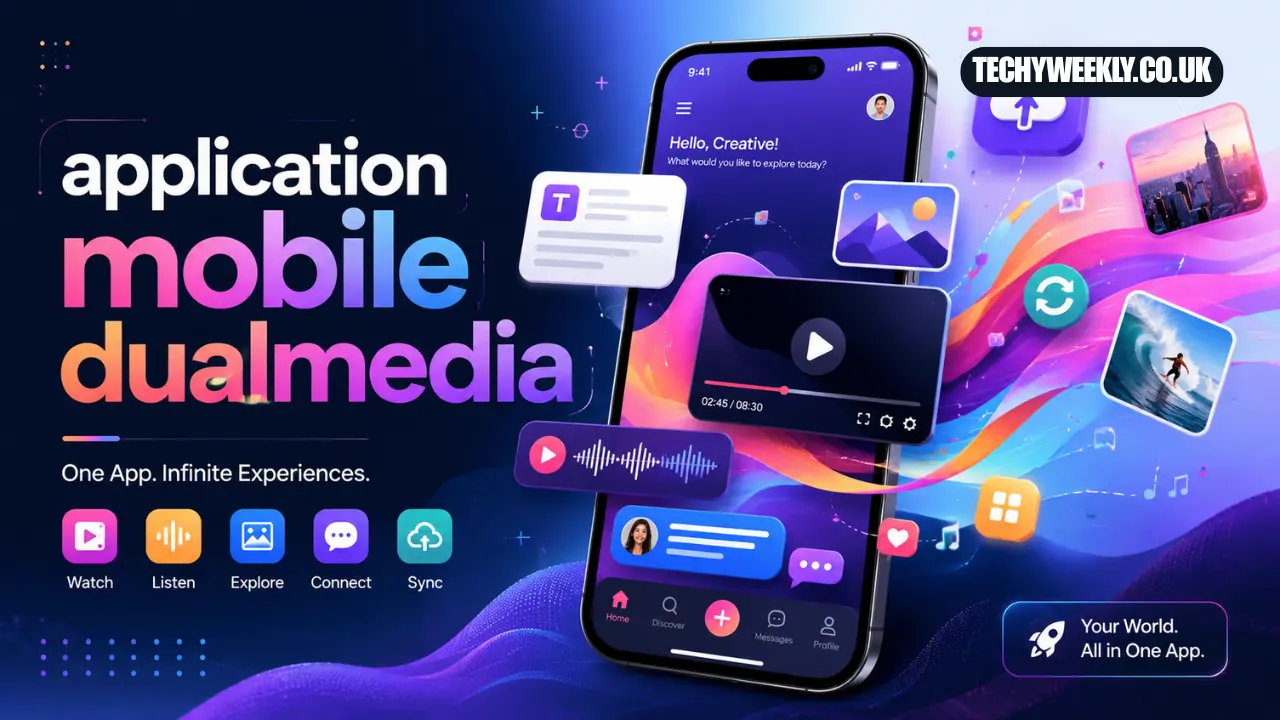
An application mobile dualmedia can be understood as a mobile experience that brings together different types of media and digital functions inside one practical app. Instead of offering only text, only images, or only videos, it can combine several content formats so users can interact with information in a flexible and enjoyable way. For example, a learning app may include written lessons, short videos, audio explanations, quizzes, and downloadable material. A business app may include product images, promotional videos, customer support, booking tools, and notifications. The main purpose is to create a richer mobile experience that feels useful, complete, and easy to use.
What Is Application Mobile Dualmedia?
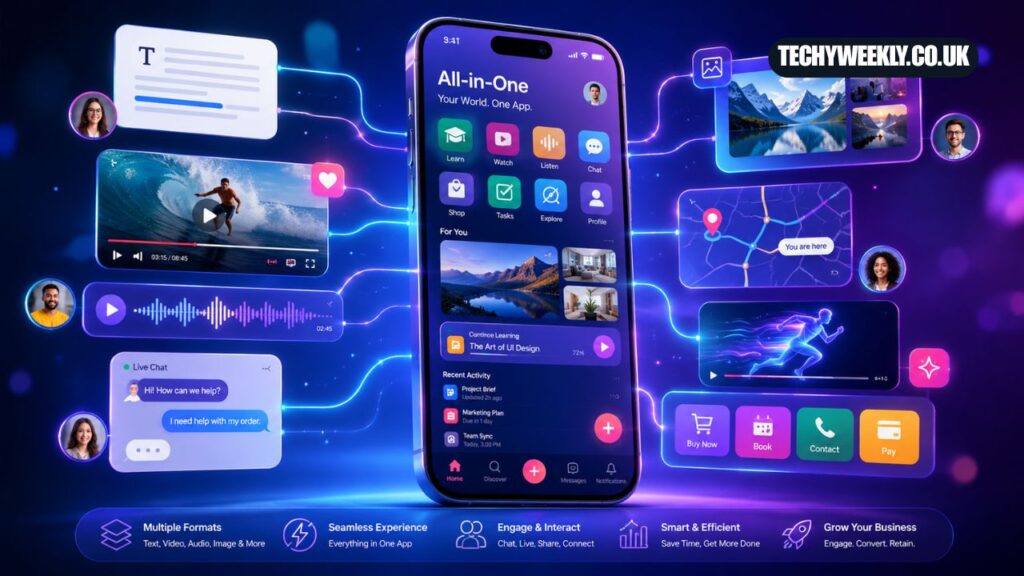
Application mobile dualmedia refers to a mobile app concept that uses more than one media format to deliver content, services, or communication. The word “dualmedia” suggests a blend of media experiences, but in practical use, it can include more than two formats depending on the purpose of the app. Text, video, audio, images, animation, live chat, documents, maps, and interactive tools can all become part of the same mobile environment.
This type of application is useful because mobile users often prefer choice. Some people like reading, some prefer watching videos, while others want quick audio guidance or visual instructions. When an app gives users different ways to understand and use information, it becomes more flexible and valuable. For businesses, this can increase user interest because the app does not feel limited or boring. It becomes a complete digital space where people can explore, learn, contact, purchase, or manage tasks without leaving the platform.
Why Mobile Apps Need Rich Media Features
Users spend a large amount of time on their phones, but their attention is limited. If an app feels slow, empty, confusing, or outdated, they may close it quickly and move to another option. Rich media features help solve this problem by making the app more attractive and practical. A short video can explain a service faster than a long page of text. A clear image gallery can help customers understand a product better. Audio instructions can support users who are busy or prefer listening. Interactive buttons, forms, and notifications can guide people toward action.
An application mobile dualmedia is especially useful when information needs to be presented clearly. In education, it can make learning easier. In healthcare, it can help patients understand instructions. In real estate, it can show property photos, video tours, maps, and contact options. In e-commerce, it can combine product descriptions, reviews, images, videos, and secure checkout. The more useful the media combination is, the more comfortable users feel inside the app.
Main Features of a Good Dualmedia Mobile App
A good dualmedia mobile app should not simply add media for decoration. Every feature should serve a clear purpose. The app should open quickly, work smoothly, and present content in a clean layout. Users should never feel lost while moving from one section to another. Navigation must be simple, buttons should be easy to tap, and media should load without unnecessary delay.
Another important feature is content organization. If the app includes text, audio, videos, images, and tools, everything must be arranged in a logical way. A user should immediately understand where to find information, how to play media, how to contact support, and how to complete an action. Push notifications can also be useful, but they should be relevant and not excessive. Personalization is another strong feature because users appreciate apps that remember preferences, suggest useful content, or make the experience feel more convenient.
Benefits for Businesses
For businesses, application mobile dualmedia can become more than a digital product. It can work as a communication channel, marketing tool, customer service platform, and sales support system. A business can use the app to explain services, display offers, share updates, answer questions, and keep customers connected. This is especially valuable for brands that want direct communication with their audience without depending only on websites or social platforms.
A well-designed app can also improve trust. When customers see a professional mobile app with helpful content, clear visuals, easy contact options, and smooth performance, they often feel more confident about the business. It can also reduce repeated questions because users can find answers inside the app through guides, videos, FAQs, or support sections. For service-based companies, booking systems and reminders can make customer management easier. For online stores, product media and simple checkout can improve the buying experience.
Benefits for Users
Users benefit from a dualmedia mobile app because it saves time and makes information easier to understand. Instead of searching through different platforms, users can find everything in one place. They can read details, watch videos, listen to explanations, view images, send messages, receive alerts, and complete tasks from a single screen. This convenience is one of the biggest reasons mobile apps continue to grow in popularity.
Another benefit is accessibility. Different users have different needs. Some may not want to read long text on a small screen, while others may not be able to listen to audio in public. A flexible app gives people options. This makes the experience more comfortable and inclusive. When users feel that an app respects their habits and needs, they are more likely to return.
Common Uses of Application Mobile Dualmedia
Application mobile dualmedia can be used in many industries because almost every field needs better communication. In education, it can support online courses, training programs, language learning, and exam preparation. Students can learn through notes, videos, audio, exercises, and progress tracking. In entertainment, it can offer music, video clips, articles, live updates, and community features. In tourism, it can include destination guides, maps, booking options, images, reviews, and travel tips.
In business and professional services, this type of app can present company profiles, service pages, case studies, contact forms, appointments, and customer support. Restaurants can use it for menus, photos, online ordering, loyalty points, and delivery tracking. Fitness brands can include workout videos, diet plans, progress charts, reminders, and coaching content. The concept is flexible because the media and features can be shaped according to the goal of the app.
Design and User Experience Matter
A mobile app can have many features, but if the design is poor, users may not enjoy it. Design is not only about colors or icons. It is about how easily users can complete their tasks. A clean home screen, readable text, balanced spacing, and clear buttons can make a big difference. Media should support the journey instead of creating confusion. For example, videos should be placed where they help explain something, not where they interrupt the user.
The best application mobile dualmedia experience feels natural. Users should not need instructions to understand the app. Menus should be simple, search should work properly, and important actions should be visible. A strong user experience also includes performance. Heavy images or videos can slow down an app, so media should be optimized. A beautiful app that loads slowly can still lose users. Speed, clarity, and usefulness must work together.
Development Considerations
Building a dualmedia mobile app requires planning before development begins. The first step is to understand the target audience and the main purpose of the app. A business should know whether the app is meant for selling, learning, booking, communication, entertainment, or customer support. Once the purpose is clear, it becomes easier to decide which media formats and features are truly needed.
The development process may include wireframes, design screens, front-end development, back-end systems, content management, testing, and app store preparation. Security is also important, especially if the app collects personal data, payment details, or user accounts. Regular updates are necessary to fix bugs, improve performance, and add useful features over time. A mobile app should not be treated as a one-time project. It needs care, testing, and improvement after launch.
Content Quality Inside the App
Content is one of the most important parts of any mobile app. Even a well-designed app can feel weak if the content is unclear, outdated, or poorly organized. Text should be simple and helpful. Images should be clear and relevant. Videos should be short enough to keep attention but detailed enough to explain the topic. Audio should be clean and easy to understand. Every piece of content should support the user’s goal.
For application mobile dualmedia, content planning is especially important because different media formats must work together. A video should not repeat everything written in the text unless it adds value. Images should support the message. Notifications should guide users instead of annoying them. When content is created with care, the app becomes more useful and memorable.
Future of Dualmedia Mobile Apps
The future of mobile apps is moving toward richer, faster, and more personalized experiences. Users want apps that understand their needs and deliver information in the most convenient format. This means dualmedia-style apps will likely become more common in education, business, shopping, health, travel, and entertainment. Apps that combine useful media with smooth functionality can stand out because they feel more complete.
As mobile devices become more powerful, apps can handle better visuals, smoother videos, stronger personalization, and more interactive tools. However, the main rule will remain the same: the app must be useful. Technology alone does not make an app successful. A successful app solves a problem, saves time, explains clearly, and gives users a reason to come back.
Conclusion
Application mobile dualmedia is a valuable concept for anyone interested in modern mobile experiences. It combines different media formats and useful features to create an app that feels practical, engaging, and easy to use. For businesses, it can support communication, marketing, sales, and customer service. For users, it can make information easier to access and understand.
The success of application mobile dualmedia depends on planning, design, performance, content quality, and regular improvement. When these elements work together, the app becomes more than a simple digital tool. It becomes a complete mobile experience that connects people with information, services, and brands in a smoother way.
FAQs
What is application mobile dualmedia?
Application mobile dualmedia is a mobile app concept that combines different media formats, such as text, images, video, audio, and interactive tools. It helps users access information in a more flexible and engaging way.
Who can use a dualmedia mobile app?
Businesses, schools, online stores, service providers, creators, and organizations can use this type of app. It is useful for anyone who wants to share content or services through a richer mobile experience.
Why is rich media important in mobile apps?
Rich media makes information easier to understand and more interesting for users. It can improve engagement by offering different ways to read, watch, listen, or interact.
Is application mobile dualmedia useful for small businesses?
Yes, small businesses can use it to show services, share offers, receive bookings, answer questions, and stay connected with customers. It can make a brand look more professional and accessible.
What makes a dualmedia mobile app successful?
A successful app should be fast, simple, well-designed, and filled with useful content. It should solve real user needs and make every feature easy to access.