The question of vmware current ceo has become increasingly common after major structural changes in the company’s ownership and leadership model. VMware, once an independent pioneer in virtualization and cloud infrastructure, now operates under Broadcom Inc., which has reshaped its executive hierarchy and decision-making structure. This transition has also changed how leadership roles are understood, especially at the CEO level.
To understand vmware current ceo clearly, it is important to look at both the current controlling leadership and the historical evolution of VMware’s executive team. The answer is no longer as straightforward as it once was when VMware operated independently, and this shift reflects broader changes in the enterprise technology landscape.
VMware Under Broadcom Ownership
| Category | Details |
|---|---|
| Company Name | VMware (now part of Broadcom Inc.) |
| Current CEO (Effective Leadership) | Hock Tan |
| Parent Company CEO | Hock Tan (Broadcom Inc.) |
| VMware Independent CEO Status | No longer exists after 2023 acquisition |
| Last Independent VMware CEO | Raghu Raghuram |
| Acquisition Year | 2023 |
| Acquiring Company | Broadcom Inc. |
| Current Structure | VMware operates as a Broadcom business unit |
| Leadership Model | Centralized under Broadcom executive team |
| Key Focus Areas | Cloud infrastructure, virtualization, enterprise software |
| Product Direction | VMware Cloud Foundation, Tanzu, networking & security |
| Strategic Control | Broadcom Inc. executive leadership |
The most significant change in VMware’s corporate structure came after its acquisition by Broadcom Inc. in 2023. This acquisition moved VMware from being an independent public company to becoming part of a much larger semiconductor and infrastructure software organization.
Following this change, VMware no longer functions with a standalone CEO in the traditional sense. Instead, the overall leadership responsibility sits with Broadcom’s executive team. This is a key reason why discussions around vmware current ceo often lead to Broadcom’s chief executive rather than a VMware-specific appointment.
The acquisition also reorganized VMware into business units focused on cloud infrastructure, enterprise software, and networking solutions. These units now report directly into Broadcom’s broader organizational structure, reinforcing the centralized leadership model.
Who Is the Current VMware CEO?
When identifying vmware current ceo, the answer points to Hock Tan, the CEO of Broadcom Inc. As the top executive of the parent company, he oversees VMware’s strategic direction, product alignment, and overall business integration.
Hock Tan plays a central role in shaping VMware’s direction after the acquisition. His leadership focuses on consolidating enterprise software assets and aligning them with Broadcom’s long-term infrastructure strategy.
Under his oversight, VMware’s product ecosystem—including cloud management, virtualization platforms, and enterprise networking tools—has been integrated into Broadcom’s broader software portfolio. This makes vmware current ceo effectively synonymous with Broadcom’s leadership rather than a separate VMware executive role.
Historical Leadership at VMware
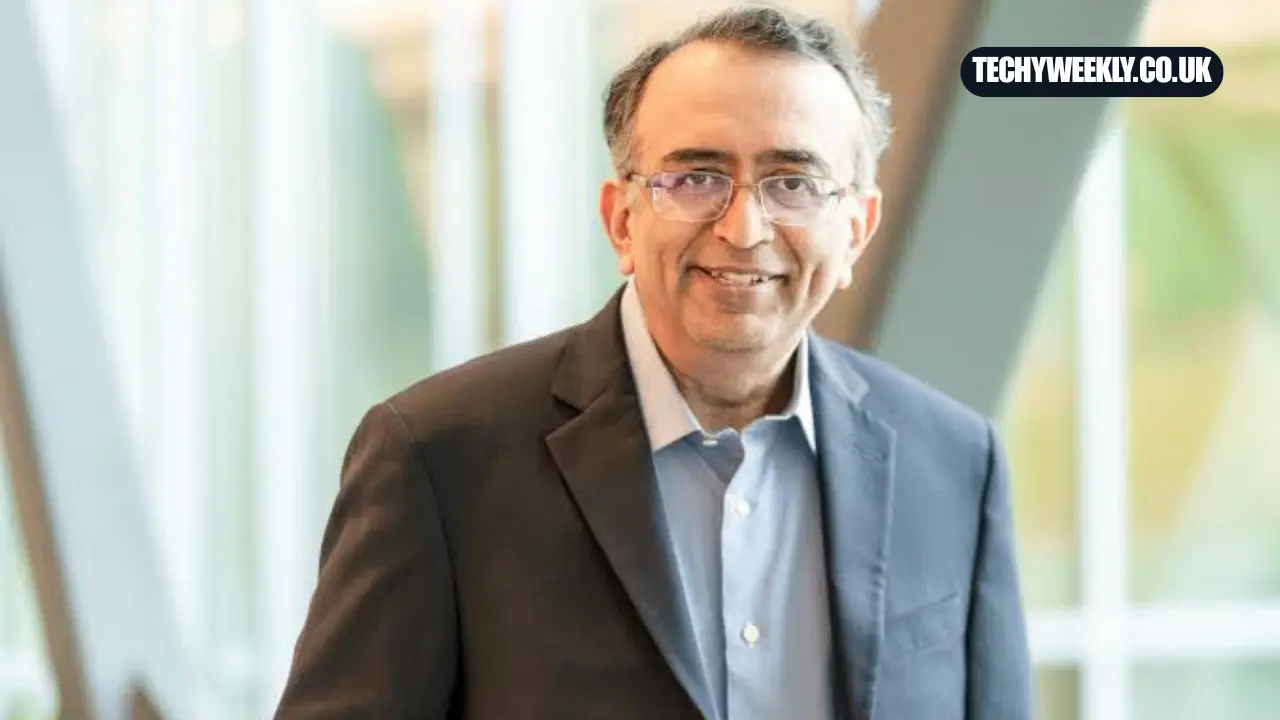
Before the acquisition, VMware had its own independent leadership structure. The last person to serve as CEO of VMware during its standalone phase was Raghu Raghuram.
Raghu Raghuram led VMware during a critical period of transformation. His leadership focused on expanding multi-cloud capabilities, strengthening partnerships across public cloud providers, and advancing VMware’s subscription-based services model.
During his tenure, VMware positioned itself as a key player in hybrid cloud infrastructure. However, this independent leadership structure changed after the acquisition, which redefined what people now search for when they ask about vmware current ceo.
The earlier leadership also included Pat Gelsinger, who played a major role in shaping VMware’s cloud-first strategy before moving on to lead Intel. These leadership phases are essential for understanding how VMware evolved into a valuable acquisition target.
Why VMware No Longer Has a Traditional CEO
One of the most important aspects of understanding vmware current ceo is recognizing why the role itself has changed. After becoming part of Broadcom, VMware was no longer treated as a separate corporate entity requiring independent executive leadership.
Instead, VMware is now structured as a set of integrated business units. These units focus on specific product areas such as:
- Cloud Foundation platforms
- Application networking and security services
- Enterprise virtualization solutions
Each unit is managed by senior executives, but they operate under the broader strategic direction of Broadcom’s corporate leadership. This eliminates the need for a separate VMware CEO position.
Strategic Direction Under Current Leadership
The leadership overseeing vmware current ceo responsibilities has shifted the company’s priorities toward infrastructure consolidation and enterprise efficiency. The focus is now on delivering integrated software platforms rather than maintaining VMware as an independent ecosystem.
One of the major strategic goals is expanding VMware Cloud Foundation as a unified platform for enterprise cloud operations. This includes combining compute, storage, networking, and security into a single framework designed for large-scale enterprise environments.
Another key focus is simplifying enterprise licensing models and aligning VMware products with Broadcom’s subscription-based revenue strategy. This has significantly changed how VMware services are packaged and delivered to customers.
Impact of Leadership Transition on VMware Customers
The change in vmware current ceo structure has had a direct impact on enterprise customers who rely on VMware technologies. Organizations using VMware solutions have experienced adjustments in product bundling, licensing models, and support structures.
Many enterprises now interact with VMware as part of Broadcom’s broader software ecosystem rather than as a standalone vendor. This has created a more centralized support and service model, which is consistent with Broadcom’s operational structure.
Despite these changes, VMware’s core technologies remain widely used in global data centers, private cloud environments, and enterprise virtualization deployments.
VMware’s Role in Modern Enterprise Infrastructure
Even after leadership restructuring, VMware continues to play a critical role in enterprise IT environments. The platform remains a foundation for virtualization, hybrid cloud deployment, and workload management.
Under the leadership associated with vmware current ceo, VMware’s technologies are being positioned as essential components of enterprise digital transformation strategies. Businesses continue to rely on VMware tools to manage complex infrastructure across on-premises and cloud environments.
This ongoing relevance demonstrates that while leadership has changed, VMware’s technological importance has not diminished.
Future Outlook of VMware Leadership
Looking ahead, the concept of vmware current ceo will likely continue to be associated with Broadcom’s executive leadership rather than a standalone VMware appointment. The company’s structure suggests continued integration rather than separation.
Future developments are expected to focus on deeper integration of VMware solutions into Broadcom’s enterprise software strategy. This includes optimization of cloud infrastructure tools, expansion of automation capabilities, and enhanced security frameworks.
As enterprise computing evolves, VMware’s role is expected to remain central within Broadcom’s broader vision for infrastructure software.
Conclusion
Understanding vmware current ceo requires recognizing the structural transformation that occurred after the Broadcom acquisition. VMware is no longer managed by an independent CEO but is instead guided by the leadership of Broadcom Inc.
Hock Tan serves as the primary executive overseeing VMware’s strategic direction, while the company’s internal leadership teams manage specific product divisions. This structure reflects a broader shift in how enterprise software companies are organized in today’s technology landscape.
Although VMware’s leadership model has changed, its technological influence remains strong across global enterprise environments, ensuring its continued relevance in virtualization and cloud computing.
FAQs
Who is the vmware current ceo today?
The vmware current ceo is effectively Hock Tan, the CEO of Broadcom, who oversees VMware as part of Broadcom’s enterprise software division.
Does VMware still have its own CEO?
No, VMware no longer operates with a separate CEO after becoming part of Broadcom. Its leadership is integrated into the parent company structure.
Who was the last independent CEO of VMware?
Raghu Raghuram was the last CEO of VMware before the acquisition by Broadcom, leading the company during its final independent phase.
Why did VMware lose its CEO position?
VMware was reorganized into Broadcom’s enterprise software portfolio, removing the need for a separate CEO and aligning leadership under Broadcom.
Is VMware still an important company without a CEO?
Yes, VMware remains highly important in enterprise IT, especially in virtualization and cloud infrastructure, despite changes in leadership structure.